Every resort in the Caribbean now claims to be sustainable. The word appears on websites, brochures, and menus with the regularity of a trade wind. Some of these claims are genuine. Many are not. For travellers who actually care about the impact of their presence on small island communities, it is worth understanding what sustainability means in a Caribbean context — and what it does not.
The Unique Pressures on Small Islands
Caribbean islands face constraints that mainland destinations do not. Fresh water is scarce on many islands and expensive to produce through desalination. Waste management infrastructure is limited — what goes in often stays on the island, and landfill space is finite. Energy is typically generated by burning imported diesel, making Caribbean electricity among the most expensive in the world.
Tourism amplifies every one of these pressures. A large resort uses water, produces waste, and consumes energy at rates that strain systems designed for much smaller populations. Cruise ships compound the problem by delivering thousands of visitors to ports with limited carrying capacity, generating economic activity that is highly concentrated in time and narrow in distribution.
What Genuine Sustainability Looks Like
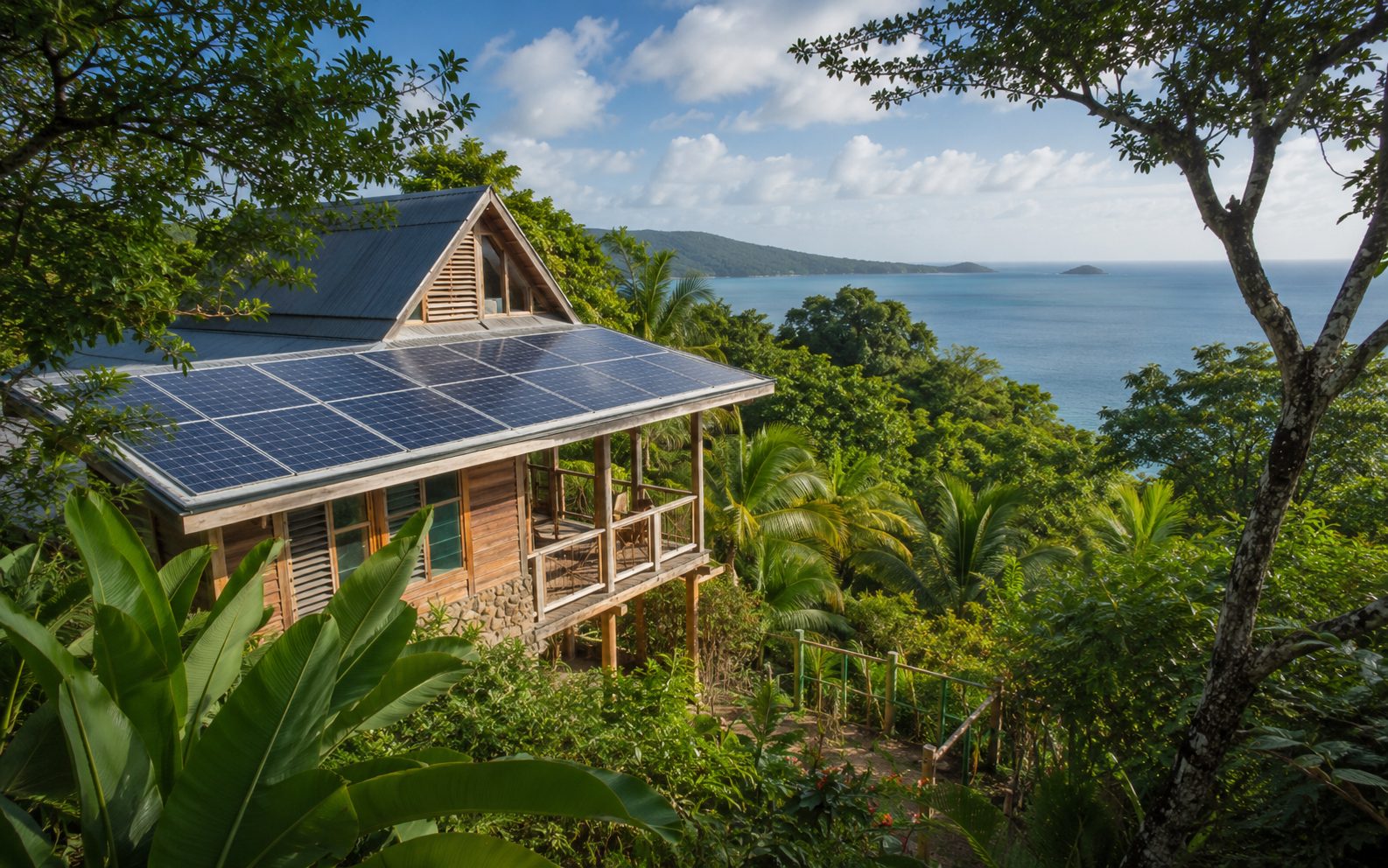
The most meaningful sustainability efforts in the Caribbean address these structural constraints directly. Solar energy is expanding rapidly across the region — Aruba aims to be fully renewable, and several smaller islands have installed solar farms that significantly reduce diesel dependency. Rainwater harvesting, greywater recycling, and composting programmes reduce pressure on water and waste systems.
On the economic side, sustainability means ensuring tourism revenue reaches local communities rather than leaking out through foreign-owned chains and imported goods. Locally owned guesthouses, restaurants that source from island farmers, and tour operators who employ and train local guides all contribute to an economic model where tourism builds local wealth rather than extracting it.
The Cruise Ship Question
Cruise tourism is the most contentious sustainability issue in the Caribbean. Ships deliver passengers who spend a few hours ashore, generate significant waste and emissions at sea, and create port-day crowding that degrades the experience for both visitors and residents. Some islands have begun limiting cruise arrivals — the Cayman Islands considered it, and several smaller destinations have imposed caps.
The counterargument is economic: cruise passengers spend money, and some islands depend on that revenue. The debate is not settled, but the trend is toward recognising that more arrivals do not automatically mean more benefit.
What Travellers Can Choose
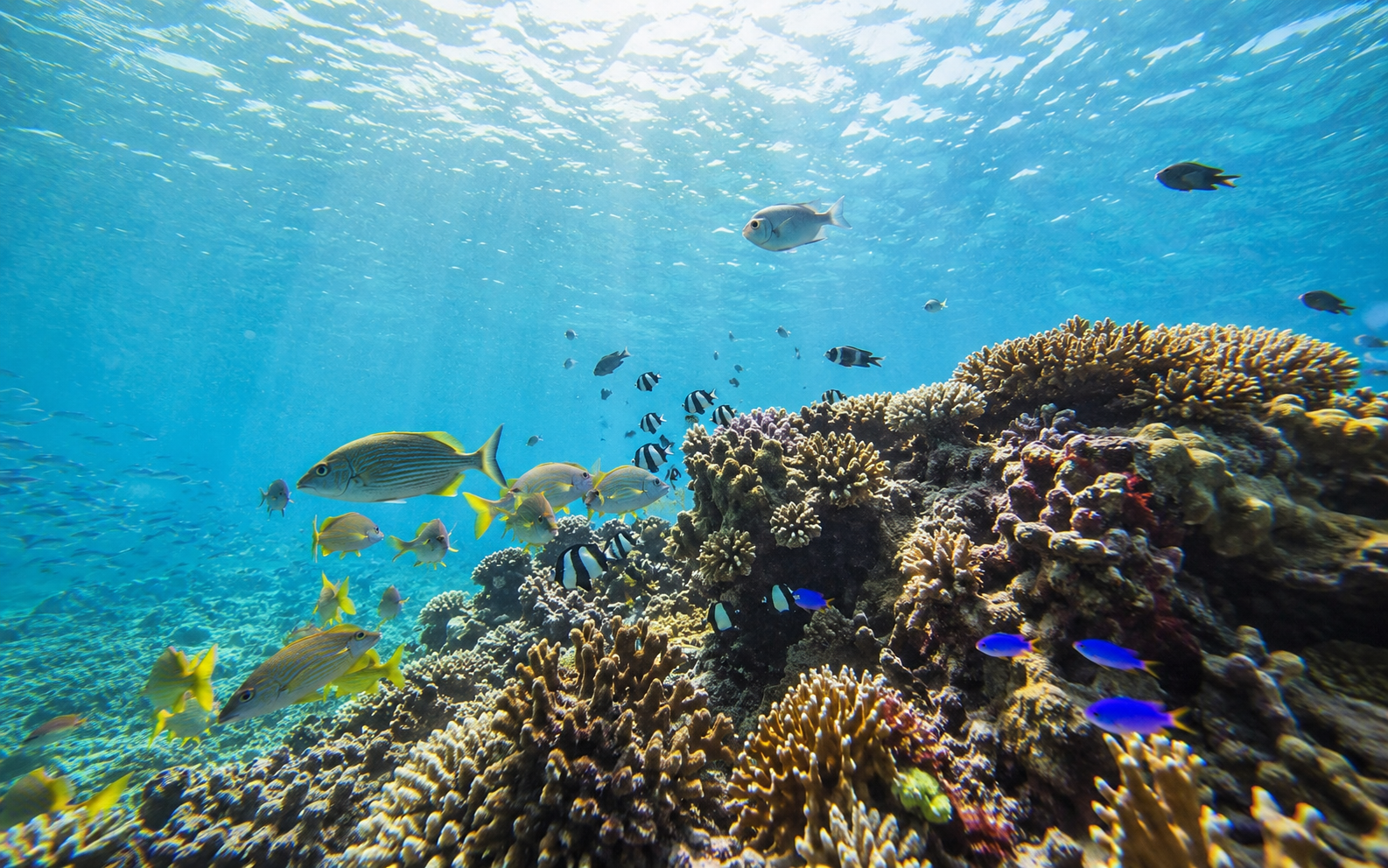
Stay longer and spend locally. Choose locally owned accommodation over international chains when quality is comparable. Eat at restaurants that buy from island producers. Hire local guides. Pay marine park and national park fees without complaint — that money directly funds conservation. Reduce your own water and energy consumption, particularly on islands where resources are visibly constrained.
Sustainability in the Caribbean is not about perfection. It is about making choices that acknowledge the reality of where you are — a small island with limited resources, remarkable beauty, and a community that will still be there long after you leave.