Rum is the Caribbean distilled — literally. No other spirit is so thoroughly entangled with the history, economy, and culture of a single region. From the brutal sugar plantations of the seventeenth century to the craft distilleries of today, rum tells the story of the islands in a way no museum quite manages.
Plantation Origins
Sugarcane arrived in the Caribbean with Columbus on his second voyage in 1493. Within a century, sugar had become the dominant crop across the region, powered by the transatlantic slave trade. Molasses — the thick, dark syrup left over after sugar crystallisation — was initially a waste product. Someone, somewhere, discovered that it fermented beautifully.
The earliest Caribbean rums were rough, unaged, and potent. Plantation workers drank them. Sailors drank them. Pirates almost certainly drank them, though the romantic image probably oversells the experience. By the mid-1600s, rum production was an established industry on Barbados, Jamaica, and the French islands.
The Navy Connection
The British Royal Navy adopted rum as its official daily ration in 1655, replacing beer (which spoiled) and brandy (which was French and therefore politically awkward). The daily tot — originally half a pint of neat rum, later diluted — continued until 1970. That is over three centuries of institutional rum consumption, a fact that helps explain rum's enduring association with maritime culture.
Jamaican rum was prized for its bold, funky flavour. Barbadian rum was considered smoother. Each island developed its own style, a tradition that persists today.
Styles Across the Islands
Caribbean rum is not one thing. Barbados produces refined, aged rums that rival good whisky. Jamaica makes high-ester rums bursting with tropical fruit and funk. Martinique and Guadeloupe produce rhum agricole — distilled from fresh sugarcane juice rather than molasses, with a grassy, aromatic character that French regulations protect with an AOC designation.
Cuba and Puerto Rico lean toward lighter, column-distilled rums suited to cocktails. Guyana, through the Demerara Distillers, produces some of the heaviest and most complex rums in the world using wooden stills that date to the eighteenth century. Trinidad, the Dominican Republic, and Grenada all have their own traditions and flagship brands.
The Modern Craft Movement
Rum is experiencing the same craft revolution that transformed whisky and gin over the past two decades. Small distillers across the Caribbean are experimenting with single-estate cane varieties, wild fermentation, and unusual cask finishes. The results are rums that compete with any spirit on earth for complexity and character.
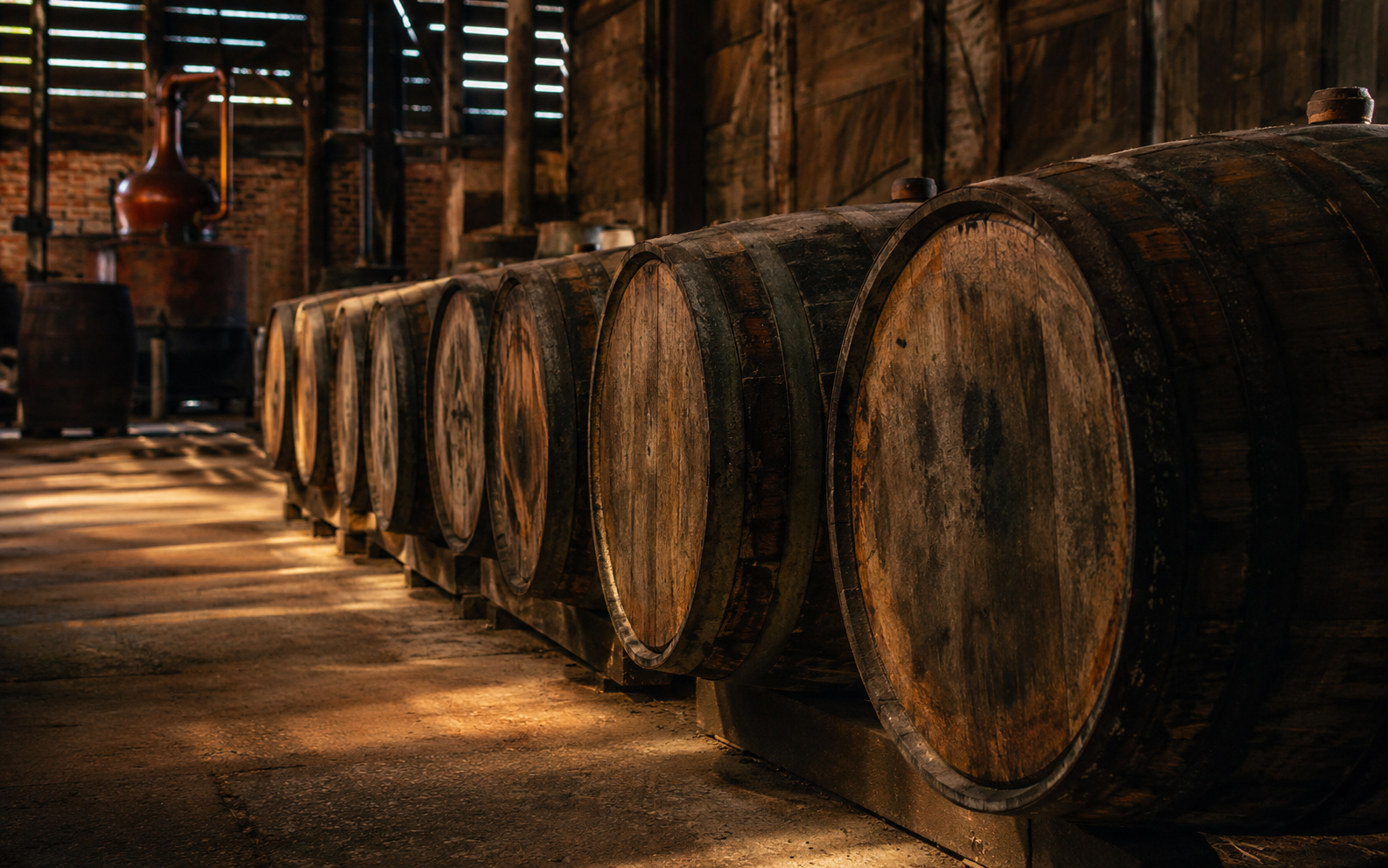
For travellers, distillery visits are among the most rewarding cultural experiences the Caribbean offers. From Mount Gay in Barbados (the oldest documented rum brand, established in 1703) to Clairin producers in Haiti working with methods that have barely changed in two centuries, the range is extraordinary. Pack an empty bottle in your suitcase. You will need it.