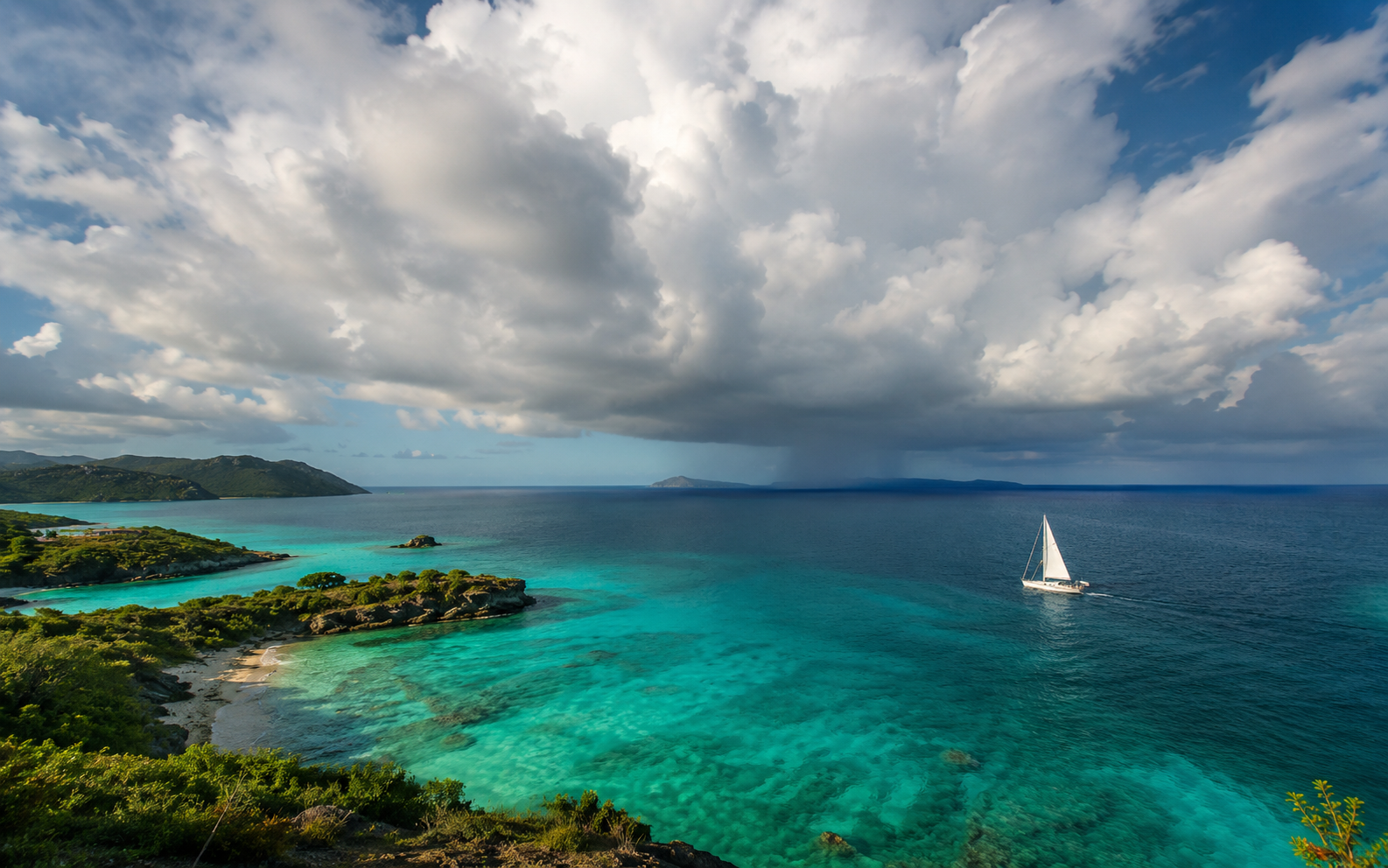
Every packing list on the internet is too long. They include items nobody uses, recommend gear designed for expeditions rather than holidays, and invariably suggest you bring a blazer "just in case." Here is what you actually need for a Caribbean trip, and more importantly, what you can leave at home.
The Bag Itself
A 40-litre carry-on backpack or soft-sided bag covers two weeks comfortably. Hard-shell suitcases are a liability on ferries, in small taxis, and on unpaved roads. If you are island-hopping with regional airlines, luggage allowances are often 20kg checked and 7kg carry-on — pack accordingly or pay overweight fees that rival the flight cost.
A small daypack that compresses flat when not in use serves for beach trips, market runs, and hikes. This is arguably the most useful item you will carry.
Clothing: Less Than You Think
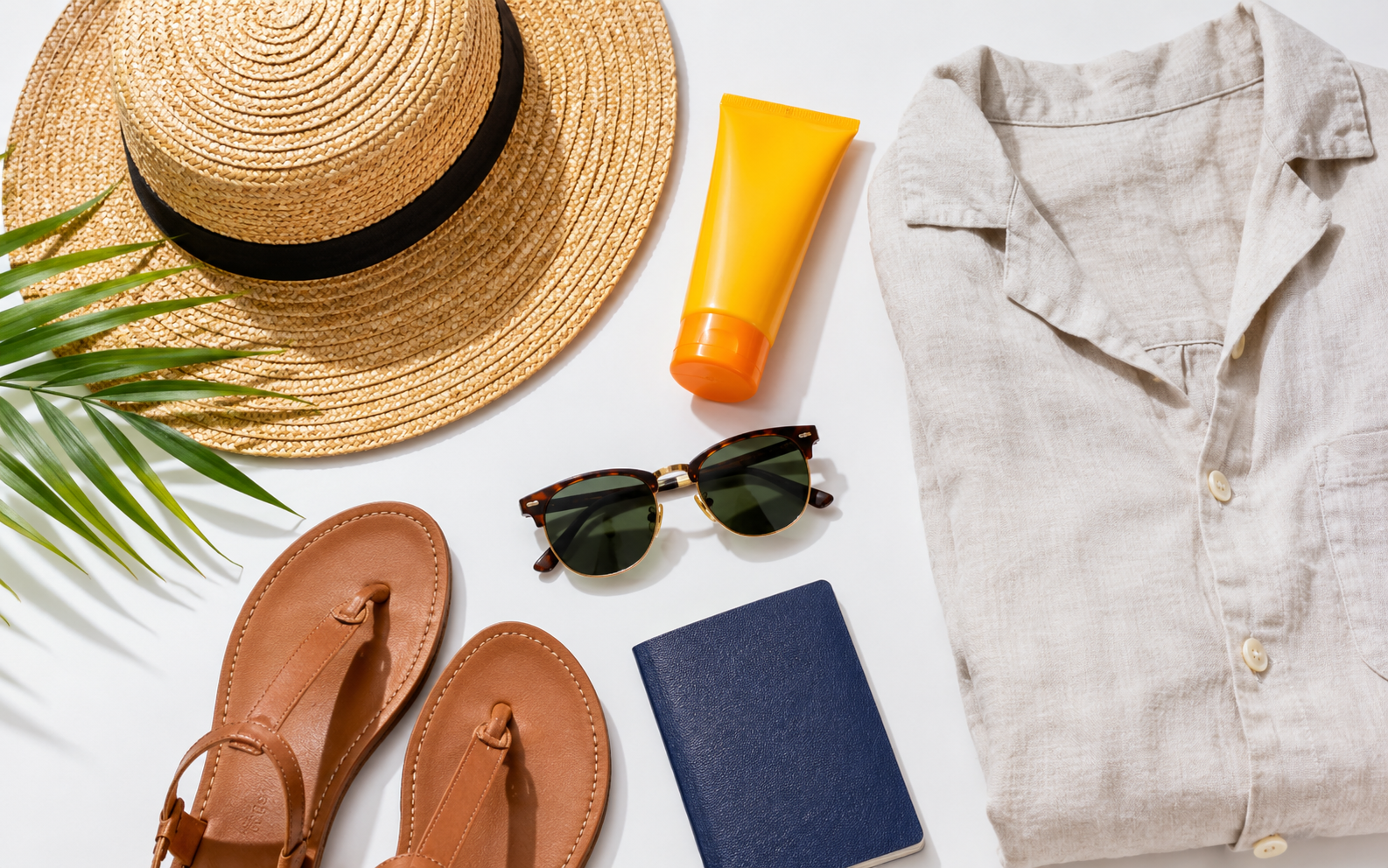
The Caribbean is warm, casual, and forgiving of repeat outfits. Three to four quick-dry shirts, two pairs of shorts, one pair of lightweight trousers for evening or church visits, a swimsuit (two if you swim daily — one dries while you wear the other), underwear, and a light rain jacket. That is it. You can wash clothes in a sink with travel soap and they will dry in the Caribbean air faster than anywhere on earth.
Cotton is comfortable but dries slowly. Synthetic or merino-blend fabrics perform better for active travel. Linen is ideal for the Caribbean — breathable, elegant, and culturally appropriate for evening wear across the region.
Footwear: one pair of comfortable walking sandals with ankle support, one pair of flip-flops for the beach and shower, and a pair of light trainers if you plan to hike. Three pairs of shoes is the maximum. Most people could manage with two.
The Essentials Most People Forget
Reef-safe sunscreen is not optional — it is a legal requirement on some islands and an ethical one everywhere else. Standard sunscreens containing oxybenzone and octinoxate cause measurable harm to coral reefs. Mineral sunscreens with zinc oxide are the safest option for marine environments.
A reusable water bottle saves money and reduces plastic waste on islands where waste management is already strained. A headlamp is invaluable for power outages, which are not uncommon on smaller islands. Insect repellent with DEET or picaridin is essential, particularly during wet season when mosquito populations peak.
Bring photocopies of your passport, insurance documents, and vaccination records. Keep digital copies in your email as well. Replacement is far easier when you have the details to hand.
What to Leave Behind
Jeans. A hair dryer (the humidity makes it pointless). Expensive jewellery. More than one guidebook — download the rest to your phone. Anything white that you care about keeping white. An umbrella — the rain jacket suffices, and Caribbean rain is warm enough that getting wet is not a hardship.
The goal is a bag light enough to carry comfortably for a fifteen-minute walk from the ferry terminal to your accommodation. If you cannot manage that, you have packed too much. Edit ruthlessly. The Caribbean does not require much gear — it requires presence, patience, and a willingness to slow down. None of those fit in a suitcase.