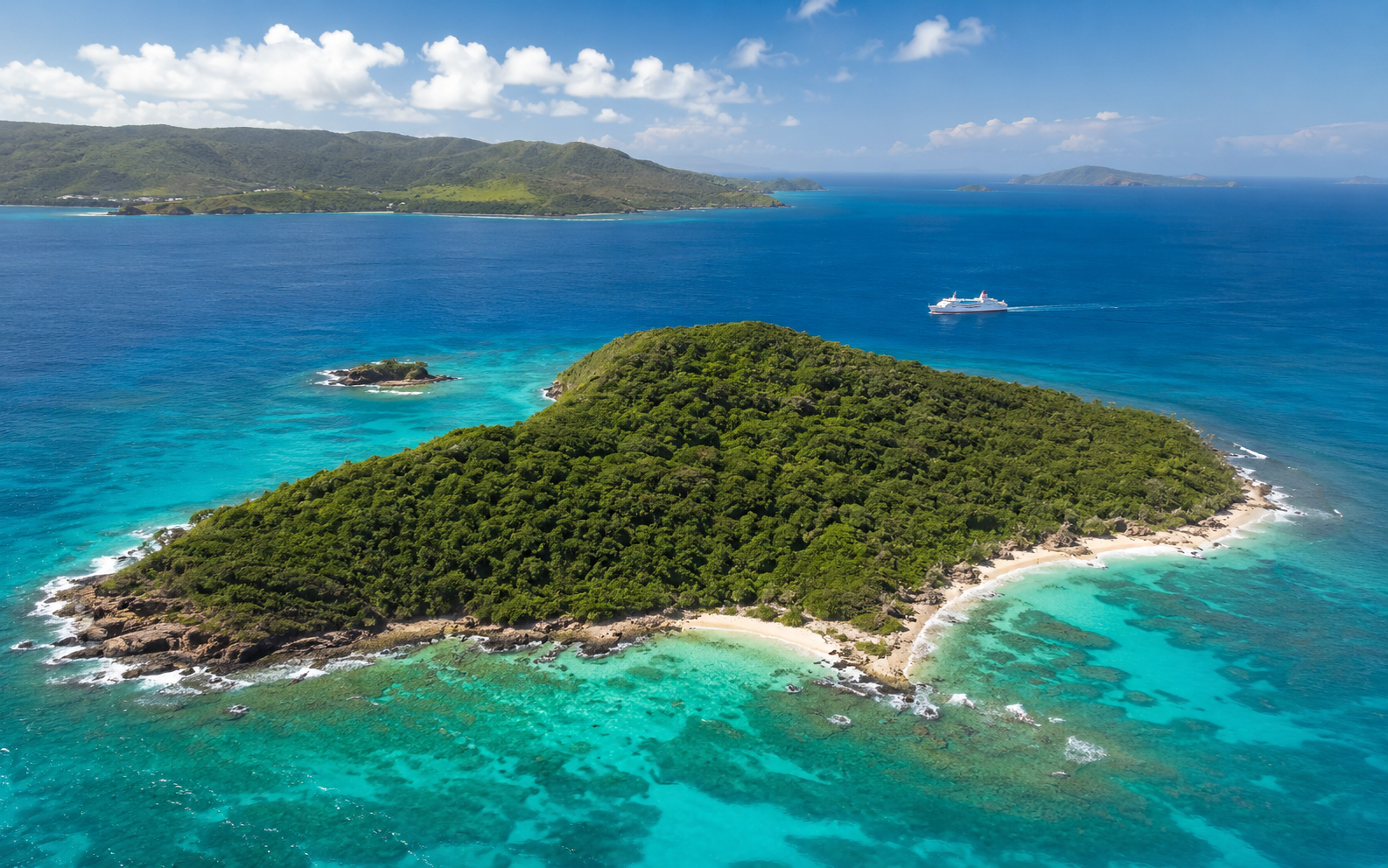
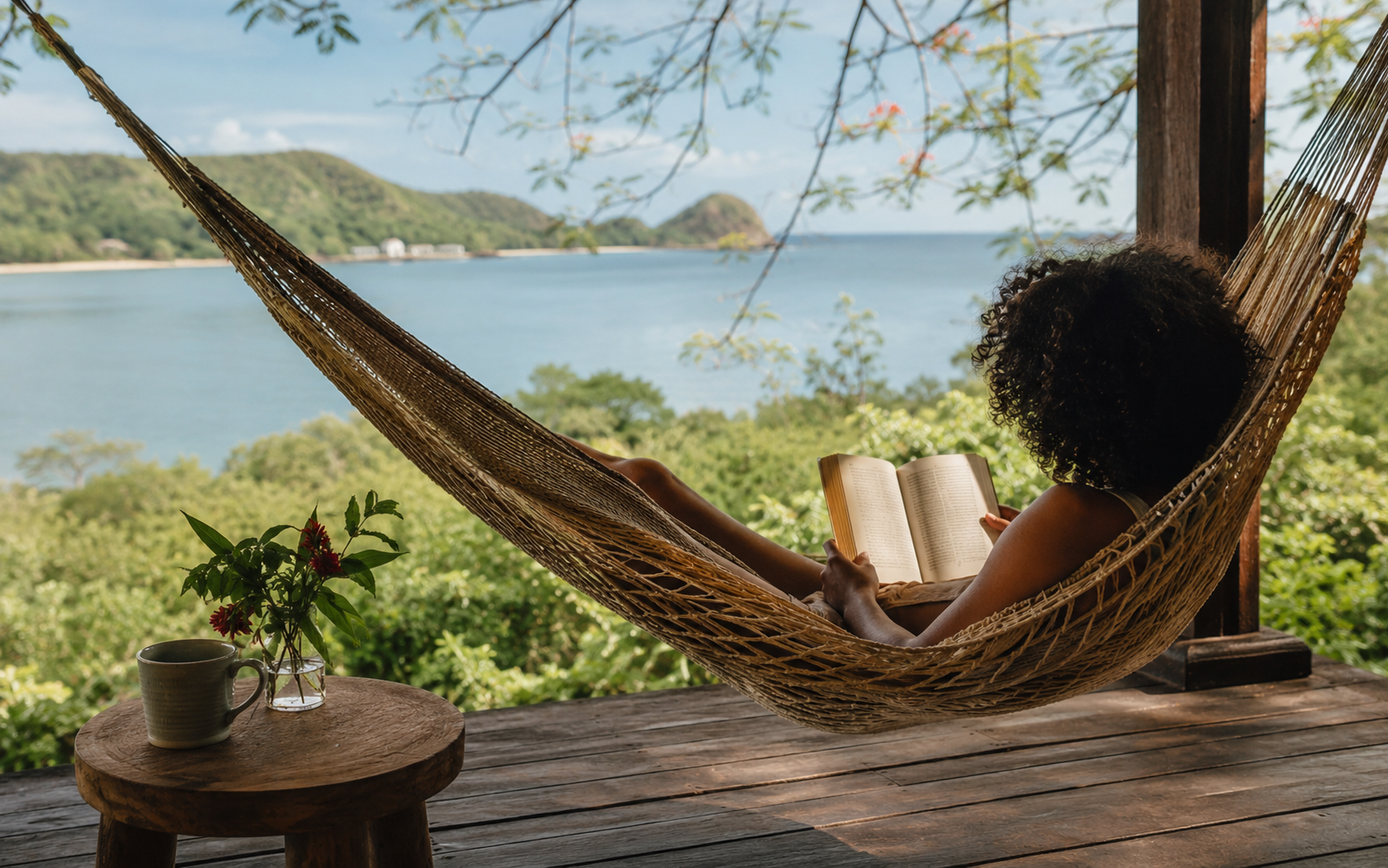
The standard Caribbean holiday template is well-established: fly in, transfer to resort, spend a week cycling between pool, beach, and buffet, fly home. It works. People enjoy it. But there is another way to experience the islands that costs less, reveals more, and leaves you feeling like you actually went somewhere rather than just lying somewhere.
What Slow Travel Actually Means
Slow travel is not about moving slowly — it is about staying longer in each place you visit. Instead of hopping between four islands in ten days, you spend those ten days on one island. You rent an apartment instead of booking a hotel. You shop at the local market, learn the bus routes, develop a regular coffee spot, and gradually shift from tourist to temporary resident.
The philosophy behind slow travel has gained real traction in recent years, driven partly by remote work flexibility and partly by a growing dissatisfaction with checklist tourism. In the Caribbean, where island cultures reward patience and repetition, the approach fits especially well.
The Financial Case
Slow travel is almost always cheaper per day. Weekly and monthly rental rates drop significantly compared to nightly hotel rates. Cooking most meals at home transforms the budget. Excursions become optional rather than mandatory — when you have two weeks somewhere, you do not feel pressure to cram every activity into a tight schedule.
Flight costs remain the same, but spreading them over a longer trip reduces the per-day impact. Some travellers find that a month in Martinique or Dominica costs roughly what a week at a resort in St. Barts would — with dramatically more depth of experience.
What You Gain
Depth. You start noticing things that short-stay tourists miss: the way light changes over the harbour at different times of day, which bakery opens earliest, where locals go on Sunday afternoons, when the fish market gets its freshest catch. You have conversations that go beyond pleasantries because people recognise you from yesterday.
Caribbean culture operates on relationship. Repeated presence builds trust, and trust opens doors. The rum shop owner who was polite on day one is telling you stories about the island on day ten. The taxi driver who took you from the airport recommends his cousin's restaurant. These connections are the real texture of travel, and they take time to develop.
Choosing the Right Island
Not every island suits slow travel equally. You want affordable accommodation options beyond resorts, a functioning local food supply, reasonable internet if you are working, and enough variety to sustain interest over weeks rather than days. Dominica, Grenada, Martinique, Tobago, and the less-developed parts of Jamaica all work beautifully for extended stays.
Pack less than you think you need, bring a good book, and give yourself permission to do nothing on the days when nothing is what the island is offering. That is the whole point.